
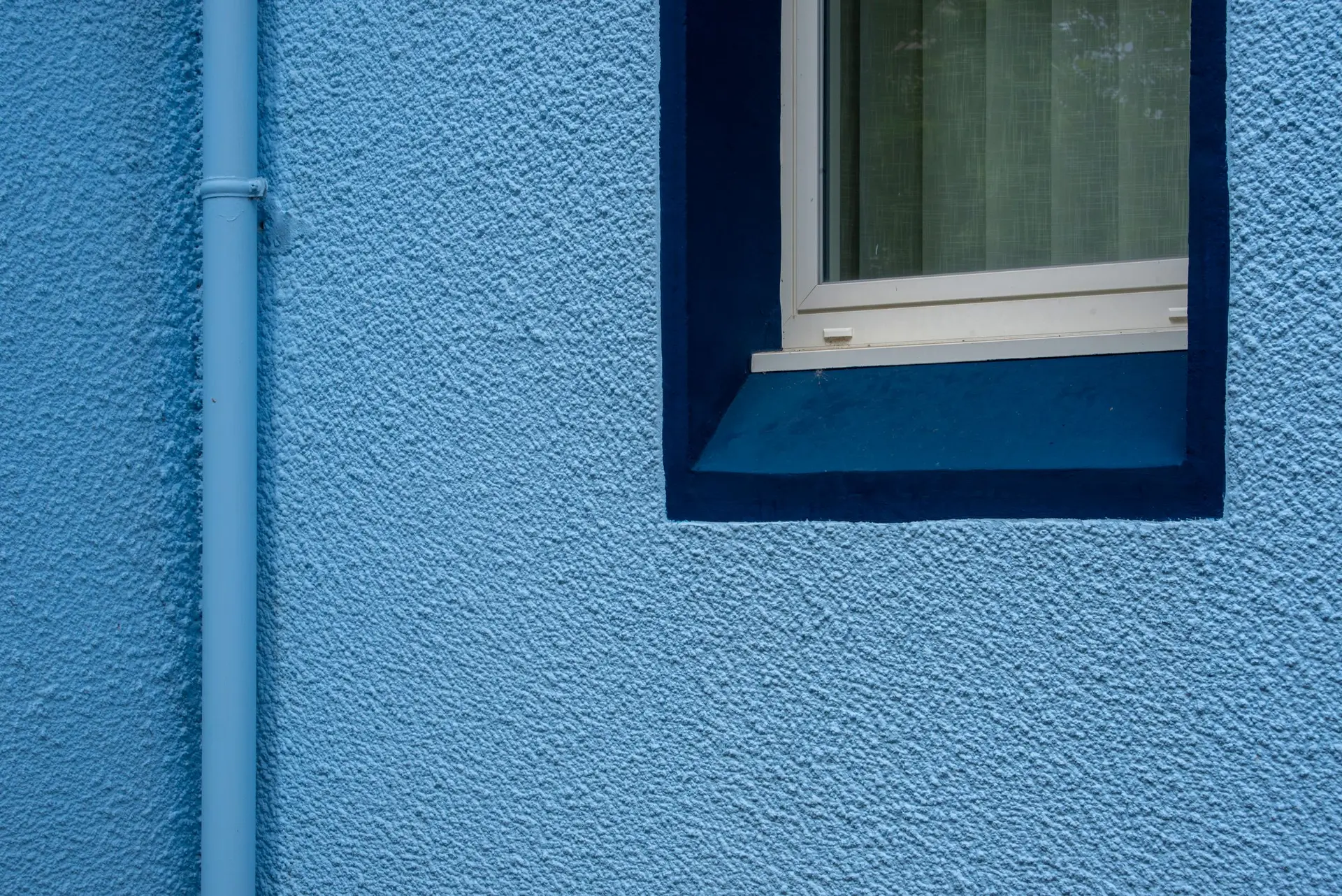
Hiring a window replacement company in Redondo Beach means choosing who answers for the joint between each frame and the wall, because onshore wind drives rain straight at that joint. A catalog of frames tells you nothing about it. Harborstone Remodeling replaces windows and patio doors around the South Bay, and we write our bids so an owner can lay them next to any other, opening by opening.
Window work on a house that lives in salt air
Salt settles in tracks and on locks, then holds damp against the metal. Morning fog keeps sills wet long after the street has dried. On a house in Redondo Beach, a bid for window and door replacement has to account for the sill, the flashing and the stucco edge along with the unit in the box.
A window job can start small. A slider drags in its track. A bedroom sill has a brown stain under it. Glass has fogged between the panes on the west side. Any of these can turn out to be a simple unit swap or a wet opening, and the bid should say which one it priced after someone has looked.
Count the openings you want changed, mark any that leak or stick, then send us that list for a measured window bid.
What moves your window price
Every bid you collect is built from the same five things. Ask each company to show them separately, because one total per window hides most of the differences.
Frame material. Vinyl and fiberglass both resist corrosion near the water, and fiberglass costs more. Wood-clad units need their paint kept up, and bare aluminum tends to pit in salt air. Compare two bids only after they name the same frame and the same glass. Our vinyl and fiberglass comparison shows where each frame pays its way.
Opening count and sizes. Each opening is its own line. A small bathroom window and a wide living room slider carry very different unit prices, and upstairs openings with a tight side yard can call for staging. A bid that gives only a house total leaves you unable to drop one window later and see what changes.
Retrofit or full frame. This choice opens the widest gap between bids. A retrofit sets the new unit inside the old frame and leaves the wall alone. Full frame takes everything back to the framing, then adds patching outside and new trim inside. Ask which method each opening gets and the reason for it. One method across a whole house can mean nobody checked each sill. Our window cost breakdown walks through the difference on a coastal wall.
Stucco around the opening. Full frame means cutting stucco back around each window. That cut needs new paper lapped into the old, plaster built back up, and texture matched by hand. A weathered wall can still show the patch, so a color coat may belong on the quote as an option. Some bids stop at the window edge and leave the patch to you. Ours carries it as its own line, handled through our stucco and exterior work.
Flashing. A sill pan, tape at the jambs and head flashing take real labor, and all of it disappears once the stucco is closed. That makes flashing the easiest thing to leave out of a low bid. Ask for it by name on every full-frame opening. A retrofit keeps whatever flashing the old window already has, so that opening needs to be dry before anyone seals a new unit into it.
Questions that separate one window company from another
Put these to every company on your list, and ask for the answers in writing.
- Who measures, and who pays for a wrong size? Custom units are made to order after the measure. The bid should say who covers a unit that arrives wrong.
- Who closes up the wall? Find out who patches the stucco, who paints it, and who replaces the interior trim. Three different answers can mean three more bills.
- What happens if a frame comes out and the wood behind it is soft? A unit price for extra framing, written before work starts, keeps that surprise small.
- Which paperwork applies at your address? Have the company confirm what your city asks for on this scope and who files it.
- What is the license number? California's Contractors State License Board runs a public lookup on its website, where any number can be checked before you sign.
We also suggest pricing the whole house once, even if you plan to replace only the worst side this year. A full set of openings on one quote lets you see the phases. One sticking door is still worth a call, and we check its rollers and hardware before pricing a new unit.
From our measuring visit to the written window quote
We begin outside, at the wall. We look for cracks running from window corners, stains under sills and any sign of missing flashing over the head. Where a stain raises a question, we take a moisture reading before calling that opening a retrofit. Then we measure every opening you listed, including the sliders and swing doors.
Your quote comes back with a row per opening: size, frame, glass, method and price. Hardware, stucco patching and any permit fee sit on separate lines, so you can strike one item and leave the rest standing. When an opening could go either way, we price it both ways and tell you which one we would pick. If the moisture points at a structural repair behind the wall, that also gets its own line before anything is ordered.
Notes that make the window count go faster
Short notes are fine. These save a second trip:
- The address, in Redondo Beach or nearby in Hermosa Beach, Torrance or Manhattan Beach
- A rough count of windows, sliders and swing doors, by floor
- Which ones leak, stick or fog between the panes
- Any HOA rule you know of on frame color or grids
- Bids you already hold, if you want ours written in the same order
Call us or send the form with your opening count. We measure each one and return the prices in writing, ready to set beside your other bids.